
- Home
- Garden, Compost & Water
- Birdies Raised Garden Bed
 Garden, Compost & Water
by Birdies
Birdies Raised Garden Bed
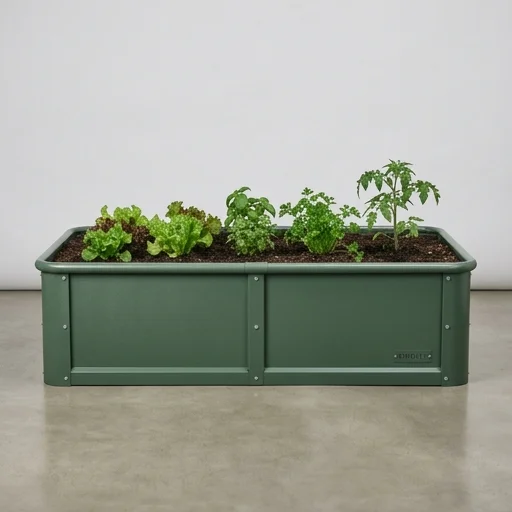
For homesteaders wanting a long-lasting, low-maintenance raised bed that can double as a protected growing space near chicken runs, the Birdies Raised Garden Bed delivers excellent durability and flexible configurations, though it comes at a premium price compared to DIY wood builds.
- Chicken-resistant deep walls
- Tool-free modular assembly
- Decades-long durability
- Material
- Aluzinc coated steel
- Bed Height
- 30 cm (12 in)
- Assembly Time
- 20-40 minutes
As an Amazon Associate we earn from qualifying purchases. Prices and availability are shown on Amazon.
The verdict
For homesteaders wanting a long-lasting, low-maintenance raised bed that can double as a protected growing space near chicken runs, the Birdies Raised Garden Bed delivers excellent durability and flexible configurations, though it comes at a premium price compared to DIY wood builds.
Specifications
| Brand | Birdies |
|---|---|
| Category | Garden, Compost & Water |
| Material | Aluzinc coated steel |
| Bed Height | 30 cm (12 in) |
| Assembly Time | 20-40 minutes |
| Warranty | Lifetime limited warranty |
| Weight Capacity | Holds soil up to 300 kg (660 lbs) |
Key features
- Made from recycled Aluzinc steel, not corrugated iron
- Modular panel system expands to multiple shapes and sizes
- Rounded corners with no sharp edges for safety around kids and poultry
- Powder-coated finish resists rust, chipping, and fading
- Tool-free assembly with clip-together panels
- Compatible with wicking bed kits, trellises, and greenhouse covers
Pros & cons
What we like
- Extremely durable, rated to last decades outdoors
- Easy to assemble without welding or screws
- Deep bed depth discourages digging chickens and burrowing pests
- Stylish range of colors blends with homestead aesthetics
- Recyclable materials, better for sustainable homesteading
- Resists denting better than corrugated iron alternatives
Watch out for
- Higher upfront cost than wood or basic metal beds
- Large sizes require two people to assemble
- Limited retailer availability in some regions
- Replacement panels can be pricey if damaged
Full review
The Birdies raised garden bed has become a favorite among backyard homesteaders who want a durable, long-lasting solution for growing vegetables, herbs, and flowers alongside their chicken-keeping setup. Made from corrugated, powder-coated steel, these beds are built in Australia with a focus on strength and longevity, resisting rust, warping, and the kind of wear that wooden beds succumb to after a few seasons. For homesteaders integrating gardening with poultry care, the robust construction means the beds can stand up to curious chickens, foraging ducks, or the occasional escapee pecking around the edges without being damaged, unlike flimsier plastic or timber alternatives.
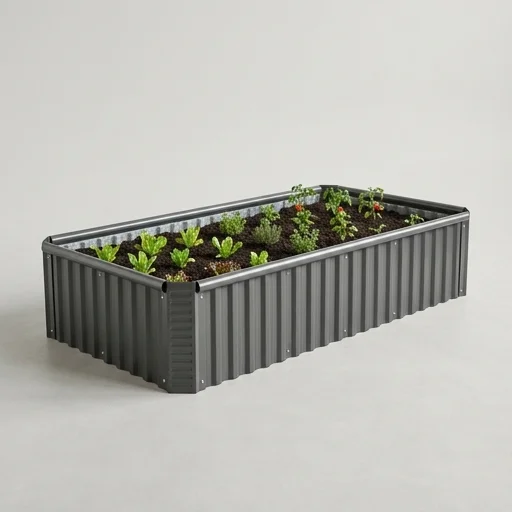
One of the standout features for the homesteading crowd is the depth and modular design of Birdies beds, which allows plants to develop strong root systems while also creating a physical barrier against digging hens who might otherwise scratch up seedlings. Many homesteaders pair these raised beds with chicken runs or free-range areas, using the height of the bed—often 12 to 30 inches depending on the model—to keep tender greens and root vegetables safe from foraging birds while still allowing the gardener to toss in kitchen scraps or let chickens clean up spent plants once a harvest is complete. The scalloped, interlocking panel system also makes assembly straightforward, which matters to homesteaders juggling coop maintenance, egg collection, and garden upkeep all in the same day.
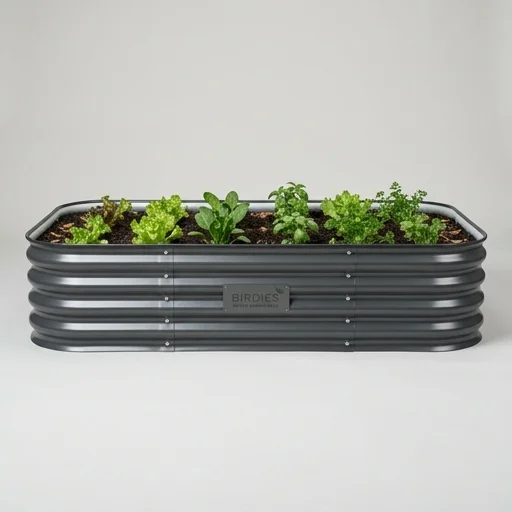
Beyond practicality, Birdies beds support the broader homesteading philosophy of creating a closed-loop backyard ecosystem. Gardeners often fill them with a mix of composted chicken manure, straw, and kitchen waste, turning coop byproducts into rich soil for growing produce that eventually feeds both the family and the flock. The neutral, modern aesthetic of the steel beds also complements coops, runs, and other homestead structures, making them a practical yet attractive addition to any backyard setup focused on self-sufficiency, sustainable food production, and the rhythm of raising both plants and poultry together.
Alternatives
Also worth a look
 GardenSurvival Garden Seeds
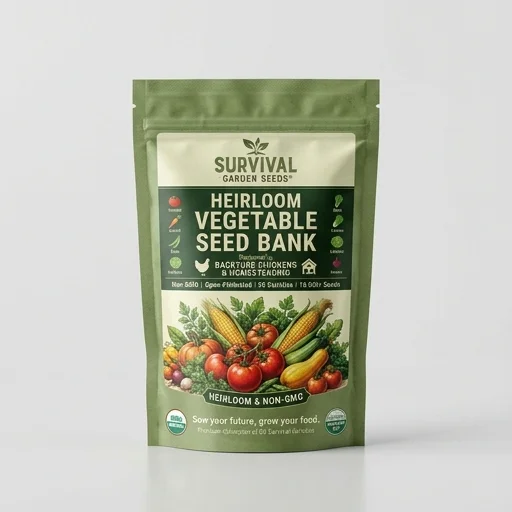
Survival Garden Seeds Heirloom Vegetable Seed Bank
4.6- Non-GMO heirloom seeds
- Long-term seed storage
- 32 vegetable varieties
 GardenVego Garden
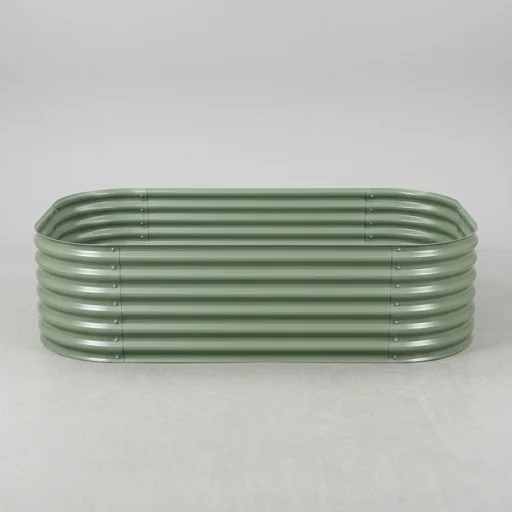
Vego Garden Raised Garden Bed Kit
4.6- Rust-proof steel build
- Tool-free modular assembly
- Pairs well with coops
 GardenFiskars
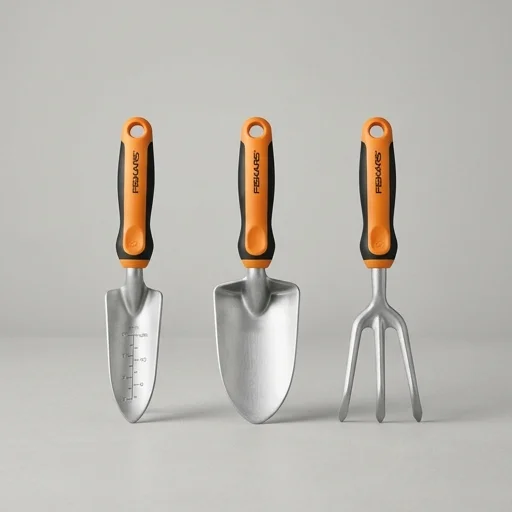
Fiskars Garden Hand Tool Set
4.6- Rust-resistant stainless steel
- Comfortable ergonomic grips
- Lifetime warranty included
 GardenMy Patriot Supply
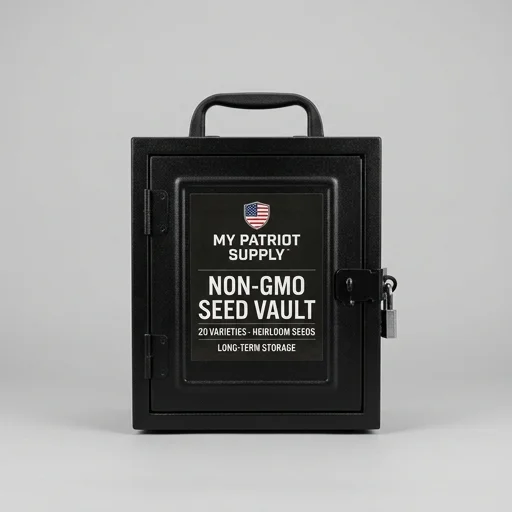
My Patriot Supply Non-GMO Seed Vault
4.4- Non-GMO heirloom seeds
- Long-term storage ready
- Supports self-sufficient homesteading